DENTEV
News & Insights
News, guides and updates on B2B digital dentistry.
Zolid Lunaris: Amann Girrbach's new multilayer zirconia, sintered in 15 minutes
Flexural strength above 1000 MPa, sintered in 15 minutes with the Therm DRS furnace: Amann Girrbach introduces Zolid Lunaris, the multilayer zirconia that succeeds Zolid Gen-X, according to the manufacturer.
Read →
Dental 3D printing resin: how long to wash and post-cure a definitive crown
Three minutes maximum in isopropyl alcohol for a Formlabs crown, two 20-minute cycles at 60°C in the UV oven: washing and post-curing parameters change by resin and determine the part's final strength, according to the manufacturers' instructions.
Read →Lithium disilicate: minimum preparation thickness by indication, GC versus Ivoclar
Thin veneer, veneer, inlay, onlay, crown, 3-unit bridge: minimum preparation thickness for lithium disilicate according to the instructions for use of GC (Initial LiSi Press) and Ivoclar Vivadent (IPS e.max CAD), indication by indication.
Read →
ADF 2026 Congress in Paris: what actually matters to a CAD/CAM dental laboratory
The ADF Congress runs from 24 to 28 November 2026 in Paris. Digital programme, scanning and 3D printing hardware on the show floor, the exocad 3.3 Chemnitz update: what a dental laboratory should track, with figures and sources.
Read →
Zirconia sintering parameters: a comparison table by brand
Holding temperature, holding time and full sintering cycle for zirconia discs distributed by Dentev, KATANA Zirconia, IPS e.max ZirCAD and VITA YZ, drawn from manufacturer instructions for use: the comparison dental labs were missing.
Read →ANMAT 6403/2026: What Changes for Importing Dental Materials into Argentina
Published on 6 October 2026, ANMAT's Disposición 6403/2026 sets new timelines for certifying foreign medical device plants. It affects the zirconia, resins and machines Argentine dental labs import from abroad.
Read →
IPS e.max Zirconia: Ivoclar's Two-Powder Disc Covering Veneers to Full-Arch Bridges
Ivoclar launched a disc in May 2026 combining two zirconia compositions in one blank: 1200 MPa in the dentin zone, 800 MPa in the incisal zone, fast sintering from 0:58 h. What this means for a dental lab.
Read →Polishing or Glazing a Zirconia Crown After Sintering: Which Protocol Should You Choose?
Mechanical polishing or ceramic glazing: the two surface finishes do not have the same effect on opposing enamel wear or on colour stability. Protocols, recommended speeds and data from a 2025 study.
Read →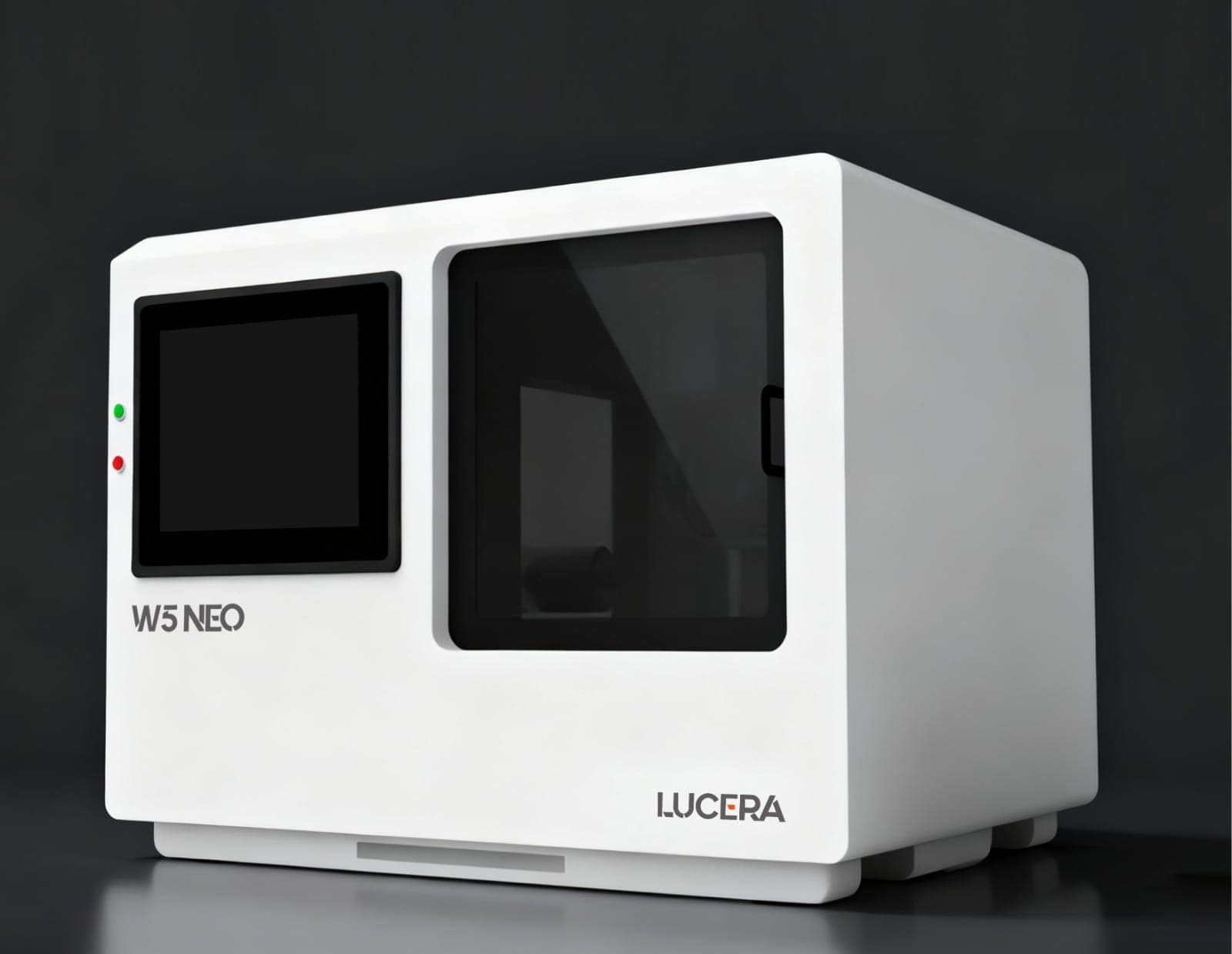
vhf digital solutions: what the new digital platform changes for dental milling machines
Since October 5, 2026, vhf camfacture AG has offered a software upgrade for its existing dental milling machines: automatic nesting and leveling, automatic connector placement, and machining claimed to be up to 20% faster.
Read →
Which zirconia for which case? Minimum thickness by indication, by the numbers
3Y, 4Y, 5Y, multilayer zirconia: what minimum thickness for an anterior crown, a posterior crown or a bridge? Reference figures from manufacturer instructions for use, with source and date, to pick the right grade for each clinical case.
Read →
Zirconia Enlargement Factor: Where to Find It and How to Enter It in exocad and 3Shape
The enlargement factor of Dentev zirconia discs ranges from 1.220 to 1.260 and changes with every batch: where to read it on the box, how to enter it in exocad, and how 3Shape receives it through its material library.
Read →
Fast Sintering or Long Cycle for Zirconia: Which One for Which Case?
Single crown or six-unit bridge: why fast zirconia sintering, validated by some manufacturers only up to three units, becomes risky beyond that, backed by manufacturer figures and a 2022 study.
Read →
Why Does a Zirconia Crown or Bridge Crack During Sintering?
Heating too fast, a damp restoration, pieces touching on the tray, an overloaded furnace: the technical causes behind zirconia cracking during sintering, with figures from a manufacturer's instructions and two 2026 trade sources.
Read →Why Does Zirconia Chip at the Margin During Milling?
Worn burs, feed rates that are too high near margins, and loose disc clamping are the main causes of marginal chipping when milling zirconia. Here are the manufacturer figures and 2026 study data behind them.
Read →
Why is my zirconia crown too light or too opaque after sintering?
A zirconia crown that is too light or too opaque after sintering usually has one of five causes: wrong plateau, wrong position in the multilayer disc, damp coloring liquid, an uncalibrated furnace, or no check with a witness ring.
Read →
3D-printed dental restorations: what SprintRay's Midas Restore launch changes
In the United States, SprintRay has launched Midas Restore, an FDA-cleared ceramic-filled resin for definitive crowns and veneers printed chairside in a single visit. A trend worth watching for labs, even without a CE mark yet.
Read →
Adhesive bonding of zirconia in the laboratory: the protocol that prevents debonding
Zirconia does not bond like a glass ceramic. Sandblasting, MDP primer and cement choice decide how long the restoration lasts: here is the step by step protocol a serious CAD/CAM laboratory follows.
Read →EUDAMED: what the 27 November 2026 deadline means for dental laboratories
EUDAMED has been mandatory since 28 May 2026. Your custom-made prostheses are not in scope, but your discs and blocks are. Here is what to check with your suppliers before the end of November.
Read →Full digital workflow in the lab: from scan to prosthesis
Scanning, CAD, milling or printing, post-processing, finishing: the 5 steps of the digital workflow and why an open, coherent chain makes all the difference.
Read →Lithium disilicate (e.max type): indications and milling
When to choose lithium disilicate over zirconia? Aesthetic indications, wet milling, and glass-ceramic crystallization.
Read →5-axis dental milling machine: the buyer's guide for a dental laboratory
4 or 5 axes, dry or wet, open workflow, total cost of ownership: the criteria that really matter before investing in a dental milling machine.
Read →Dental CAD software: exocad or 3Shape, how to choose
exocad or 3Shape? The decisive criterion (open workflow), the strengths of each software and the questions to ask yourself before choosing your CAD.
Read →Sintering zirconia correctly: firing curve, furnace, and errors to avoid
Sintering determines the strength, translucency, and shade of zirconia. Firing curve, furnace role, and the errors that ruin a restoration.
Read →Monolithic or multilayer zirconia: how to choose
Strength or aesthetics? The guide to choosing between monolithic and multilayer zirconia according to your indications, and managing translucency and sintering correctly.
Read →